Services / Live services
Cable exposure by suction excavation
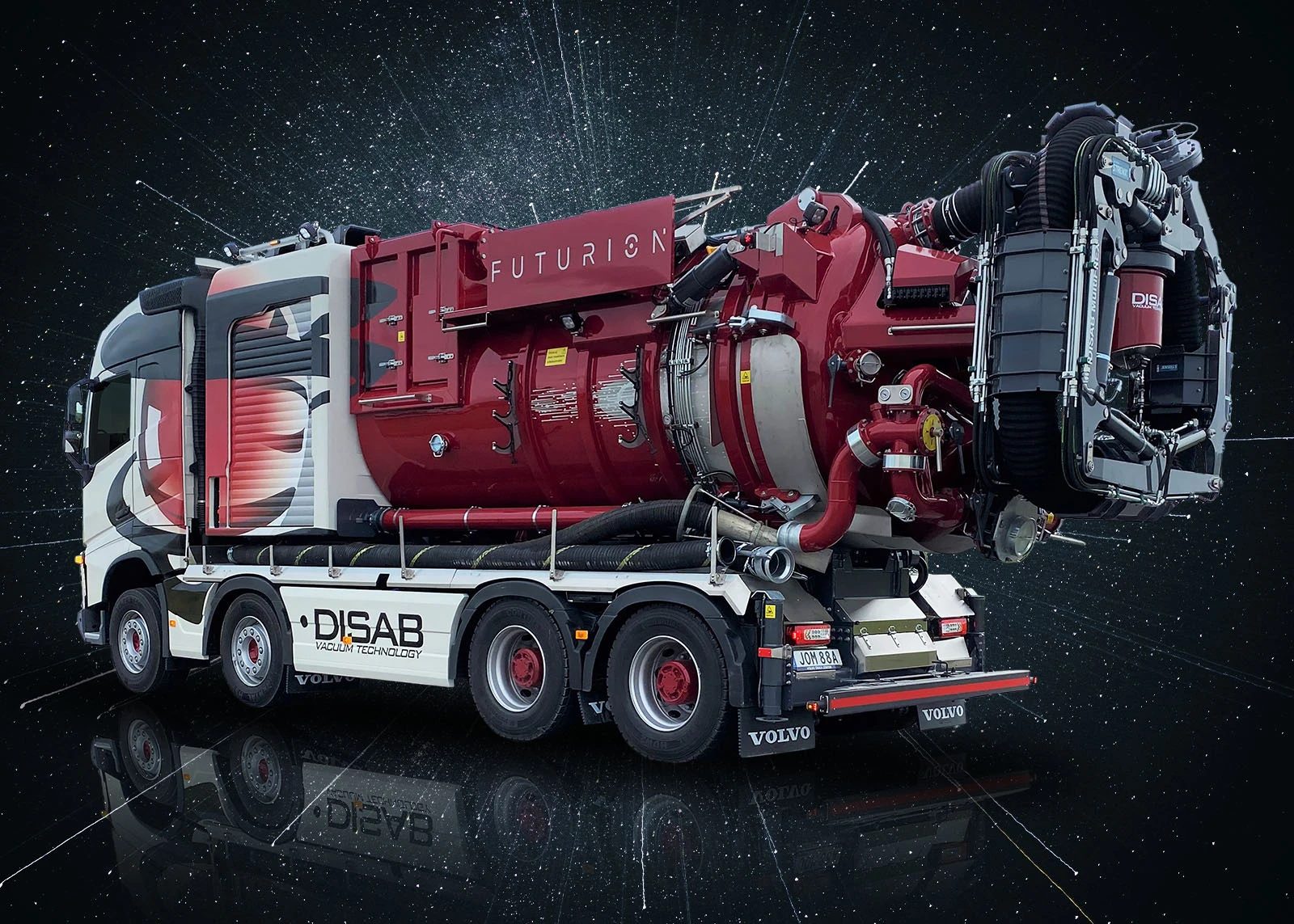
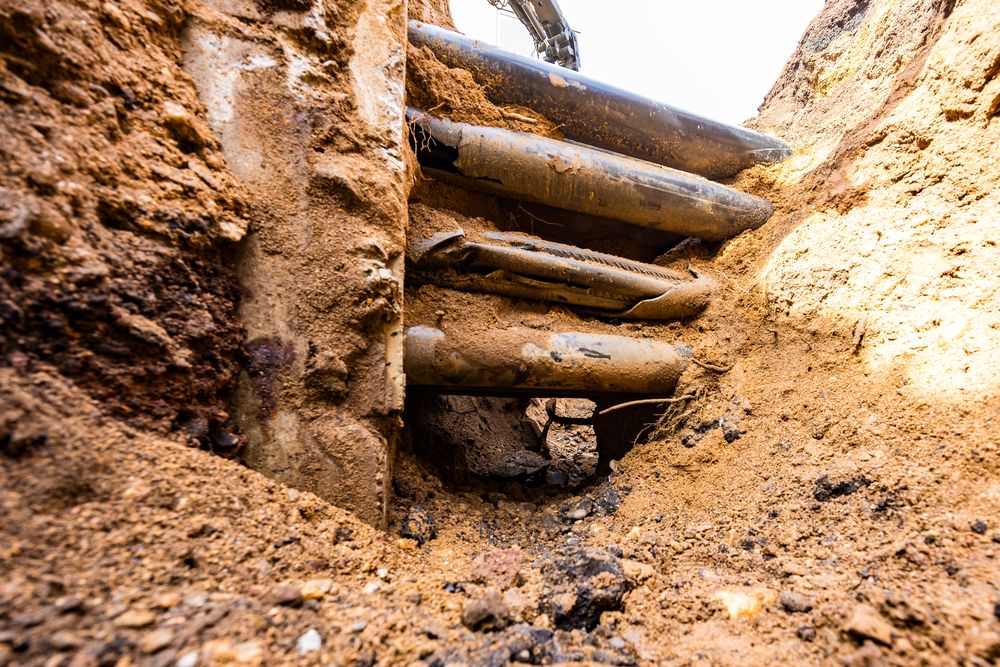
We expose live power cables, fibre and telecom ducts with air. Nothing rigid touches the cable, so the network stays live while the joint bay, diversion or repair goes ahead.
Services / Live services
We expose live power cables, fibre and telecom ducts with air. Nothing rigid touches the cable, so the network stays live while the joint bay, diversion or repair goes ahead.
No contact
Nothing rigid touches the cable
6.5 m
Boom reach to the rear
180°
Working sector without moving the truck
Remote control
Operated from a safe distance
A bucket tooth or a pick cuts a cable sheath in one movement. On a power cable that is an outage and an arc-flash risk. On a fibre route it is thousands of connections down. Hand tools are slower and carry the same risk.
Suction removes the soil around the cable with air. The cable is left lying in the open trench, intact, ready to be inspected, jointed or moved.
| Network | What is in the ground |
|---|---|
| Power distribution | Low-voltage and 11 kV cables under streets and plots |
| Power transmission | 33 kV and 132 kV circuits with their pilot and fibre cables |
| Telecoms | Duct banks, fibre backbone and street cabinets |
| Street services | Lighting, traffic signal and irrigation control cables |
| Plants and substations | Earthing grids, instrument and control cables |
Yes. Material is removed right alongside energised cables and nothing rigid contacts them. The operator controls the boom by radio remote from a safe distance, with a clear view of the nozzle.
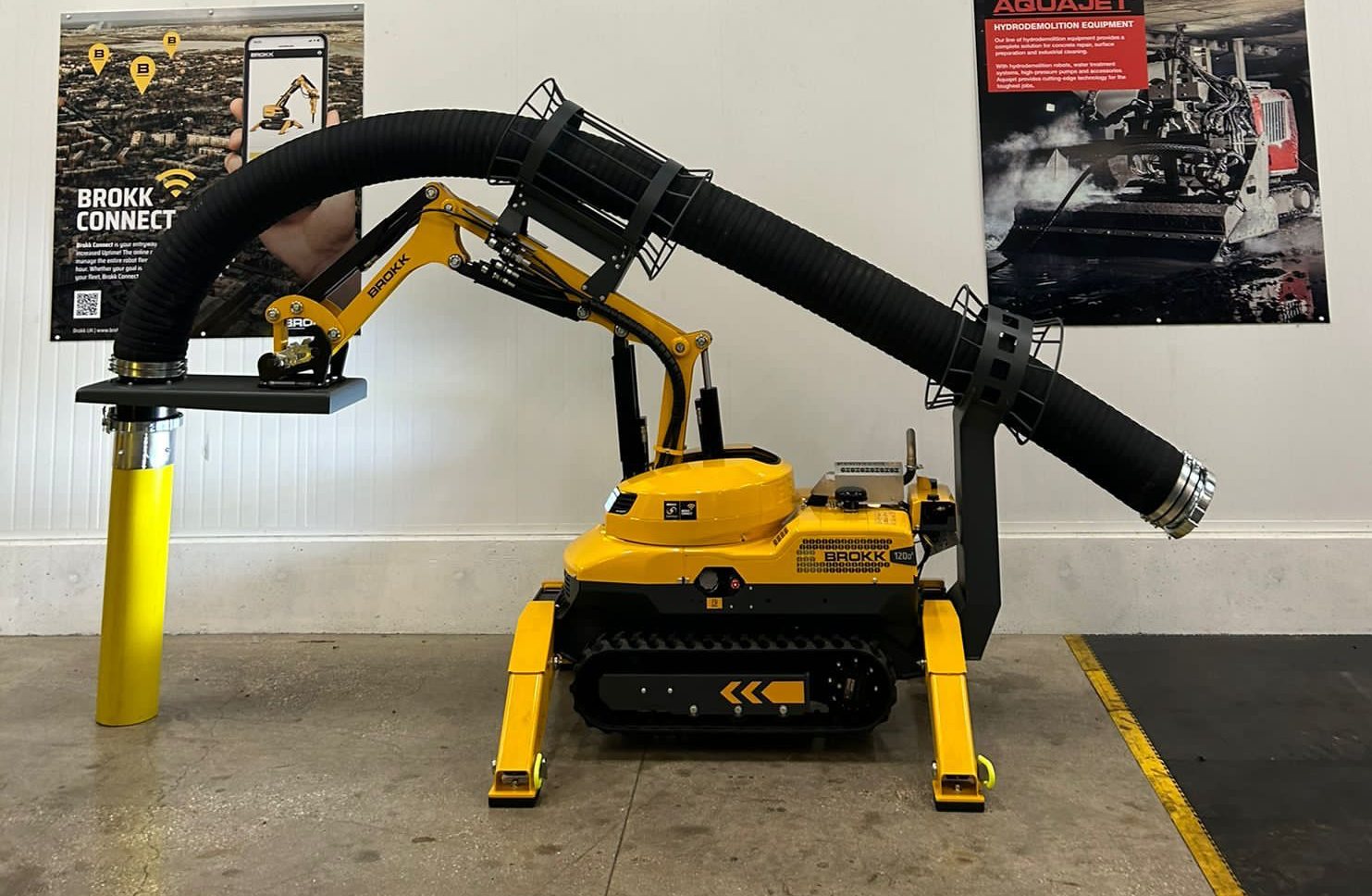
The Q20 boom reaches 6.5 m to the rear and works a 180° sector without the truck moving. Beyond that, hose extensions take the suction further, and a remote-controlled Brokk 120DII carries the nozzle into places a heavy vehicle is not allowed, such as inside a substation compound.
With the asset owner. The site walk, drawings and records come first, and a trial trench confirms the position and depth before the full length is opened.
Questions and answers
Yes. Air does the digging and nothing rigid contacts the cable. The work runs under the asset owner's permit and method.
Yes. Fibre backbone exposure and crossings for new and existing routes are regular work for suction excavation.
The machine excavates up to 150 m³ per day. The length that gives depends on the width and depth of the trench.
Yes. We backfill, compact, photograph and sign off.
Get a quote
A location, a photo and what is buried there is enough to start. Quotes are returned within the working day.